Some links in this article are affiliate links. We may earn a small commission at no extra cost to you. As an Amazon Associate we earn from qualifying purchases.
When you start planning a van conversion, the battery you choose becomes the heart of your mobile power system. A common crossroads is the lifepo4 vs agm van debate. Both technologies have loyal followings, but which one truly fits your needs, budget, and lifestyle? This guide walks you through every critical factor—energy density, cost, weight, charge cycles, safety, and compatibility with solar or alternator charging—so you can make an informed decision without guesswork.
Understanding the Basics: LiFePO4 and AGM Explained
Before diving into numbers, it helps to know how each chemistry works.
LiFePO4 (Lithium Iron Phosphate)
LiFePO4 batteries belong to the lithium‑ion family but use a phosphorus‑based cathode. This chemistry delivers a stable voltage curve, high thermal stability, and an impressive cycle life—often 2,000‑5,000 full cycles. Popular models for van builds include the Battle Born LiFePO4 Deep Cycle Battery 100Ah and the Renogy LiFePO4 Battery Pack 12V 100Ah. These units are lightweight, with a typical energy density of 120‑160 Wh/kg.
AGM (Absorbent Glass Mat)
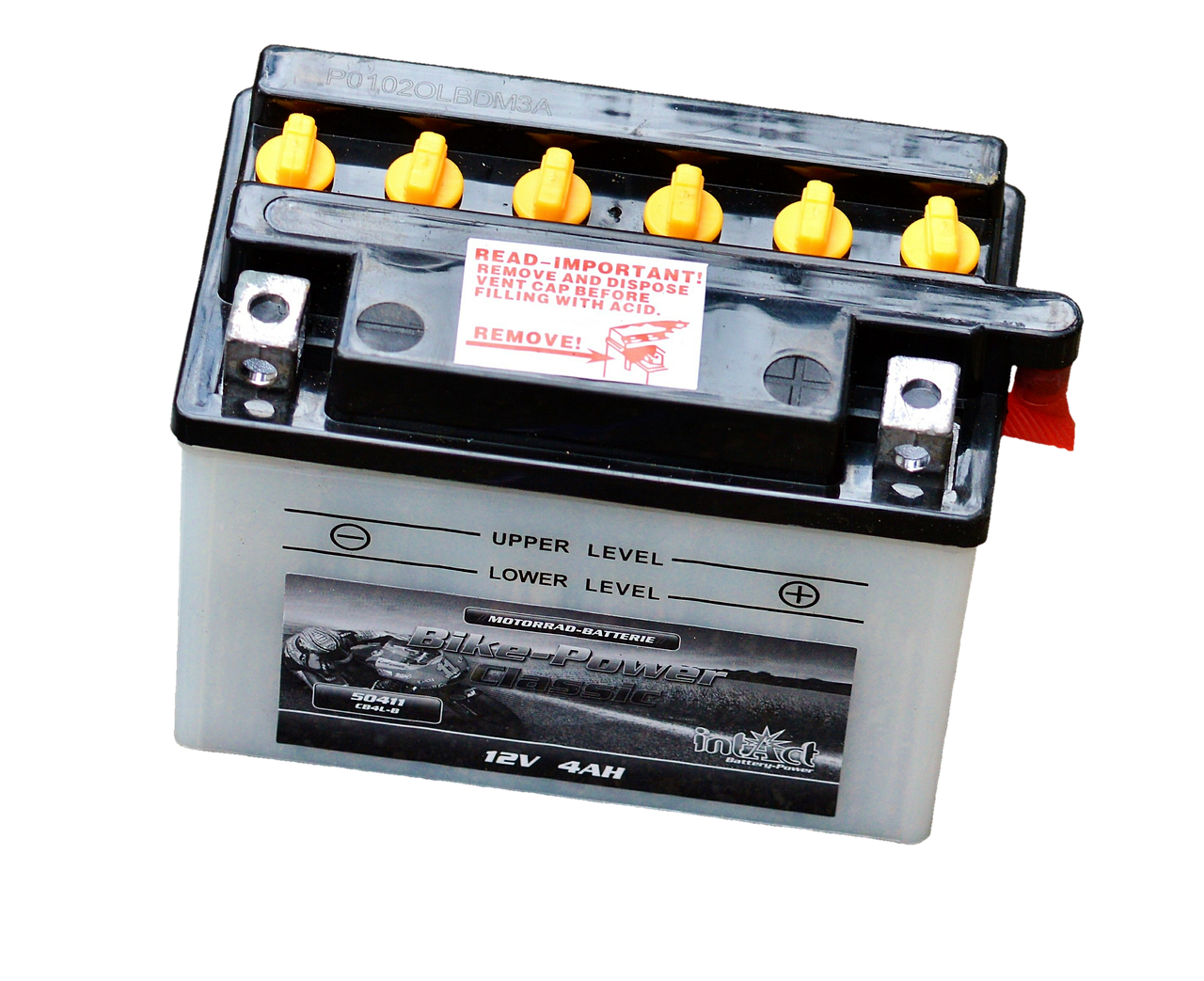
AGM batteries are a type of sealed lead‑acid (SLA) that immobilize the electrolyte in glass‑fiber mats. They are robust, tolerant of deep discharges, and work well in harsh environments. Common choices are the Renogy AGM Deep Cycle Battery 12V 100Ah and the Vmaxtanks AGM 12V 125Ah Battery. Energy density is lower—around 30‑40 Wh/kg—making them heavier for the same capacity.
Key Comparison Metrics
Below is a side‑by‑side look at the most relevant specs for van lifers.
| Metric | LiFePO4 | AGM |
|---|---|---|
| Nominal Voltage | 12.8 V (3.2 V per cell) | 12 V |
| Weight (100 Ah) | ≈25 kg | ≈30‑35 kg |
| Cycle Life (80% depth) | 2,000‑5,000 | 300‑500 |
| Depth of Discharge (DoD) | 80‑100% | 50‑80% |
| Self‑Discharge | <5% per month | ≈5‑10% per month |
| Operating Temperature | -20 °C to 60 °C | -40 °C to 50 °C |
| Initial Cost (100 Ah) | ‑ | ‑ |
Real‑World Considerations for Van Builders
Specs are only part of the story. Your daily usage patterns, charging sources, and physical space dictate which battery truly shines.
Weight & Space Savings
Every kilogram you shave off improves fuel efficiency and frees up cargo volume. A 100 Ah LiFePO4 pack can save 5‑10 kg compared with an AGM counterpart. In a high‑roof van where space is premium, that weight reduction often translates to the ability to add more living amenities (e.g., a larger water tank or a portable fridge).
Charging Flexibility
LiFePO4 batteries accept a wider charge voltage window (14.2‑14.6 V) and can be safely fast‑charged from a good solar MPPT controller or alternator‑based charger. AGM batteries, however, are more forgiving of over‑charging but need a stricter voltage limit (14.4 V max) and can suffer from sulfation if left at low state of charge for extended periods.
Depth of Discharge and Usable Capacity
Because LiFePO4 cells tolerate deep discharge, you can routinely use 80‑100% of their rated capacity. With AGM, staying below 50% DoD dramatically extends lifespan, effectively halving the usable energy. For a 2‑day off‑grid itinerary, a LiFePO4 system provides more reliable reserve.
Safety and Temperature
Both chemistries are sealed and non‑spillage, but LiFePO4 is inherently more thermally stable—no risk of thermal runaway under normal conditions. AGM can emit hydrogen gas if over‑charged, requiring proper ventilation.
Lifecycle Costs
Though LiFePO4 batteries have a higher upfront price, the long cycle life often results in a lower total cost of ownership. A simple calculation: a LiFePO4 lasting 4,000 cycles vs. a AGM needing replacement every 400 cycles. Over a 10‑year lifespan (assuming 300 cycles per year), LiFePO4 may cost only ~ per year, whereas AGM could approach per year when you factor in replacements.
Matching Batteries to Van Roof Type: High Roof vs Low Roof
The roof choice influences where you can place the battery bank.
High‑Roof Vans
Extra interior height allows you to stack batteries vertically or use a dedicated battery compartment under the passenger seat. This flexibility makes the weight advantage of LiFePO4 more impactful, letting you allocate saved space to other comforts.
Low‑Roof Vans
Space is at a premium, so a slimmer battery footprint is essential. LiFePO4’s higher energy density means you can achieve the same amp‑hour rating in a smaller volume—critical when you must fit the bank behind the driver’s seat or under a low-profile fridge.
Regardless of roof type, ensure the battery is mounted on a vibration‑damped platform and that you have adequate ventilation for AGM units.
Practical Installation Tips
- Use a Battery Management System (BMS) – For LiFePO4, a quality BMS protects against over‑charge, over‑discharge, and temperature spikes. Products like the Battle Born BMS 12V 100Ah are pre‑integrated, but double‑check specs.
- Choose the Right Charge Controller – MPPT controllers with a lithium‑compatible charge profile (e.g., Victron SmartSolar MPPT 150/35) maximize solar harvest for LiFePO4. For AGM, a standard PWM can suffice but MPPT still offers efficiency gains.
- Wire for Low Voltage Drop – Use at least 4 mm² (AWG 12) cables for a 100 Ah bank to keep losses under 3% on a 2 m run.
- Implement a Fuse or Circuit Breaker – Protect each battery bank with a fuse rated 1.25× the maximum continuous current (e.g., 150 A fuse for a 120 A system).
- Plan for Expansion – If you anticipate adding more capacity later, choose a battery model with parallel‑ready terminals. LiFePO4 modules often support parallel stacking without extra hardware.
n
Cost‑Benefit Summary: Which Battery Wins?
Here’s a quick decision matrix to help you pick the right chemistry based on your priorities.
| Priority | Best Choice | Why |
|---|---|---|
| Lowest Up‑Front Cost | AGM | Initial price ‑ for 100 Ah |
| Longest Lifespan | LiFePO4 | 2,000‑5,000 cycles, >10 years |
| Weight Sensitive Build | LiFePO4 | ~25 kg vs 35 kg for AGM |
| Maximum Usable Capacity | LiFePO4 | Can safely use 80‑100% DoD |
| Cold‑Weather Reliability | AGM | Performs better below 0 °C without heating |
Conclusion & Next Steps
Choosing between LiFePO4 and AGM isn’t a one‑size‑fits‑all decision; it hinges on your budget, van layout, and how you intend to use the power. If you value long‑term reliability, weight savings, and deep‑cycle capability—and can invest a bit more upfront—LiFePO4 is the clear winner for most modern van builds. If you’re on a tight budget, need exceptional cold‑weather tolerance, and are comfortable managing a shorter lifecycle, AGM remains a solid, proven option.
Ready to start powering your adventures? Begin by sizing your daily load, then compare the battle‑born LiFePO4 Deep Cycle Battery 100Ah and the Renogy AGM Deep Cycle Battery 12V 100Ah against your calculations. Once you’ve made your pick, follow the installation checklist above, and you’ll be on the road with confidence.
Call to Action: Download our free “Van Battery Sizing Spreadsheet” and join our newsletter for the latest deals on LiFePO4 and AGM kits!