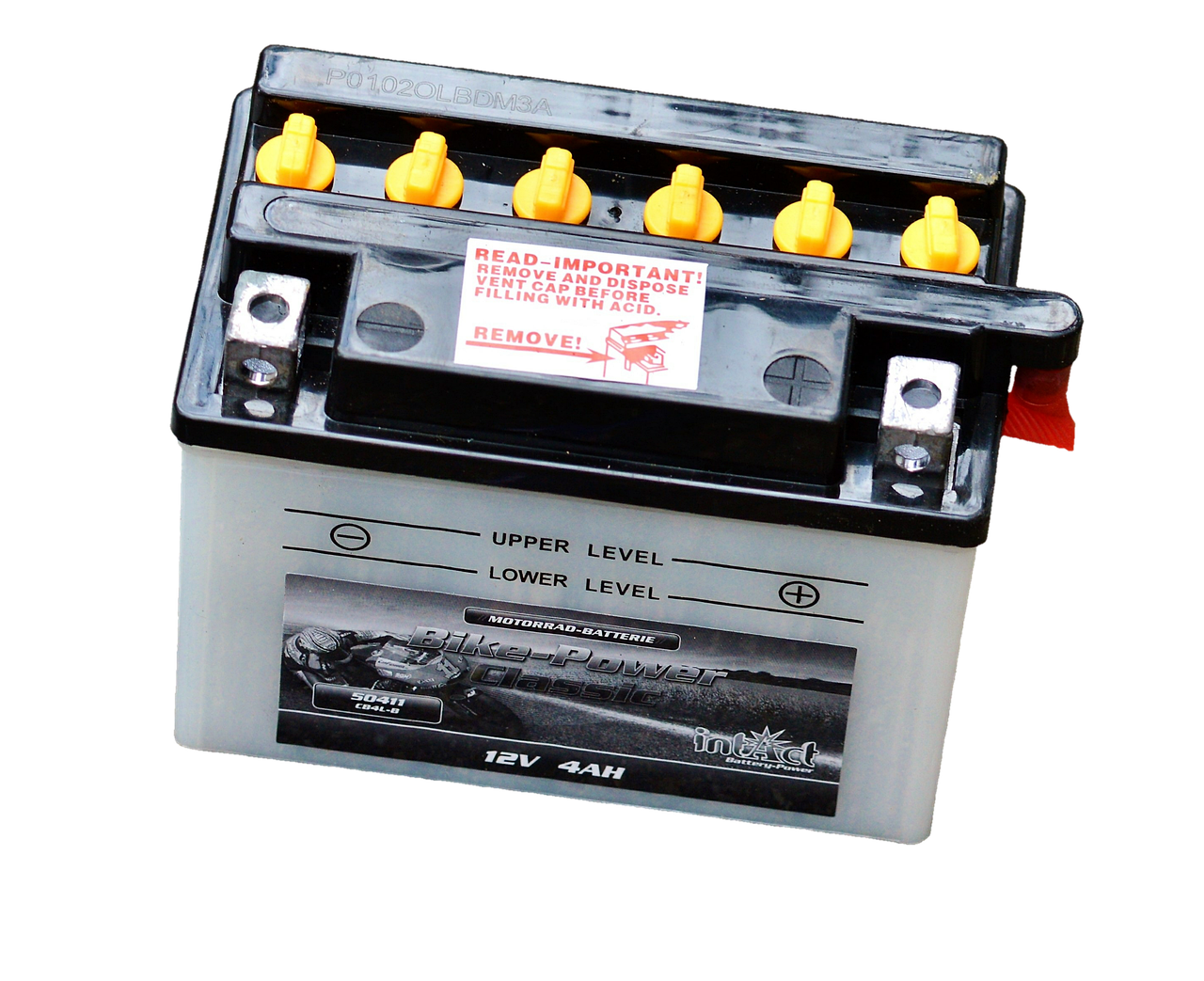
Some links in this article are affiliate links. We may earn a small commission at no extra cost to you. As an Amazon Associate we earn from qualifying purchases.
When you start planning a van life adventure, the power source is as crucial as the roof height or the layout you’ll sleep in. A reliable battery can mean the difference between a night of quiet camping and a frantic scramble for a power outlet. In this beginner’s buying guide we break down the most common dilemma: LiFePO4 vs AGM van batteries. We’ll cover chemistry basics, performance metrics, cost implications, and how each option fits into different van configurations – including the ever‑present high roof vs low roof debate.
1. Battery Chemistry 101: What Sets LiFePO4 and AGM Apart?
Both Lithium Iron Phosphate (LiFePO4) and Absorbent Glass Mat (AGM) are sealed, maintenance‑free lead‑acid alternatives, but they operate on fundamentally different principles.
LiFePO4 (Lithium Iron Phosphate)
- Energy density: 150‑200 Wh/kg – roughly 2‑3× higher than AGM.
- Cycle life: 2000‑5000 full cycles before 80% capacity loss.
- Voltage stability: Flat discharge curve, staying close to 12.8 V until the last 10%.
- Weight: About 40‑50% lighter than comparable AGM units.
- Safety: Chemically stable, non‑flammable, and tolerant to over‑discharge when paired with a proper Battery Management System (BMS).
AGM (Absorbent Glass Mat)
- Energy density: 30‑40 Wh/kg – the traditional benchmark for lead‑acid.
- Cycle life: 300‑800 cycles before capacity drops to 80%.
- Voltage stability: Gradual decline from 12.7 V to 11.8 V during discharge.
- Weight: Heavier; a 100 Ah AGM can weigh 30‑35 lb (13‑16 kg).
- Safety: Proven technology, but can vent gas if over‑charged or shorted; needs proper ventilation.
Understanding these core differences helps you anticipate how each battery will behave once installed in a moving, space‑constrained van.
2. Why LiFePO4 Is Gaining Momentum in Van Builds
LiFePO4’s popularity isn’t just hype; it’s backed by tangible benefits that align with the needs of modern van lifers.
2.1 Longer Lifespan Means Fewer Replacements
Assuming a typical van camp schedule of 2‑3 cycles per week, a 300‑cycle AGM would need replacement every 2‑3 years. A 2500‑cycle LiFePO4, on the other hand, can comfortably last a decade or more, spreading the upfront cost over a much longer period.
2.2 Higher Usable Capacity
AGM batteries are usually recommended to be discharged only to 50% to preserve lifespan. LiFePO4 can be routinely discharged to 80‑90% without penalty, effectively giving you more usable watt‑hours from the same rated capacity.
2.3 Faster Charging – Ideal for Solar Setups
LiFePO4 accepts higher charge currents (up to 1C or more), meaning a 100 Ah pack can be refilled in 1‑2 hours from a robust solar array or shore power. AGM typically tops out at 0.3C (30 A for a 100 Ah unit), extending charge times considerably.
2.4 Lightweight Design Improves Vehicle Dynamics
Every kilogram saved reduces strain on your suspension and fuel consumption. In a high‑roof van where space is already premium, a lighter battery also eases weight distribution concerns.
2.5 Real‑World Product Example
The Battle Born 100Ah LiFePO4 Battery is a popular choice among van converters. It offers a built‑in BMS, a 12‑year warranty, and a weight of just 26 lb (12 kg) compared to a 100 Ah AGM that typically weighs over 30 lb.
3. AGM Still Holds Its Ground – When It Makes Sense
Despite LiFePO4’s advantages, AGM remains a viable, sometimes preferable option for certain builds.
3.1 Lower Up‑Front Cost
AGM batteries are generally 40‑60% cheaper per amp‑hour. For a budget‑conscious builder, a 100 Ah AGM may cost ‑, whereas a comparable LiFePO4 can be ‑.
3.2 Simpler Integration
AGM works with standard charge controllers and alternators without the need for a dedicated BMS or specialized charger settings. This can be a critical factor if you’re retrofitting an older van with limited electrical expertise.
3.3 Proven Track Record in Cold Climates
AGM performs better than many lithium chemistries below 0 °C (32 °F). If you plan on winter over‑landing in sub‑zero conditions without a heated battery enclosure, an AGM may keep you safer.
3.4 Real‑World Product Example
The Renogy 100Ah AGM Battery provides reliable performance, a rugged sealed case, and a price point around. It’s a solid entry point for first‑time van converters who prioritize cost over weight.
4. Direct Comparison – Quick Reference Table
| Metric | LiFePO4 | AGM |
|---|---|---|
| Energy Density (Wh/kg) | 150‑200 | 30‑40 |
| Cycle Life (80% capacity) | 2000‑5000 | 300‑800 |
| Usable Depth of Discharge | 80‑90% | 50% |
| Weight (100 Ah) | 26 lb (12 kg) | 31‑35 lb (14‑16 kg) |
| Charge Acceptance (C‑rate) | 0.5‑1C (50‑100 A) | 0.3C (30 A) |
| Cold‑Temp Performance | Effective >0 °C; needs heater below | Works down to –20 °C with reduced capacity |
| Typical Cost (100 Ah) | ‑ | ‑ |
This table gives you an at‑a‑glance view to match your priorities – whether it’s weight savings, long‑term cost efficiency, or upfront budget constraints.
5. Matching Battery Choice to Van Architecture (High Roof vs Low Roof)
The physical envelope of your van can subtly sway the decision.
5.1 Space Considerations
High‑roof models (Volkswagen T6.1 High Roof, Mercedes Sprinter High Roof) provide an extra 6‑8 inches of vertical clearance. This makes it easier to install a larger battery box or even a dual‑battery configuration. In a low‑roof build, every inch counts, so a slimmer, lighter LiFePO4 pack often fits more comfortably without sacrificing headroom.
5.2 Weight Distribution
High‑roof vans usually have a higher center of gravity due to standing height. Placing a lighter LiFePO4 battery low in the chassis (under the passenger seat or floor rail) can help mitigate sway. Conversely, a heavier AGM may raise the overall center of mass, making the van feel more top‑heavy – an aspect to watch for on winding mountain roads.
5.3 Power Demand Scenarios
- High‑roof, full‑time living: You’ll likely run a larger fridge, dual heating units, and more lighting. The extra usable capacity of LiFePO4 shines here.
- Low‑roof, weekend‑only trips: Power draw is modest (LED lights, USB ports, a small inverter). An AGM can comfortably cover this and keep the build budget low.
5.4 Installation Tips Based on Roof Type
- Measure the exact battery compartment dimensions before buying. Include clearance for cables and venting (if using AGM).
- For high‑roof vans, consider a dual‑battery system: a primary LiFePO4 for daily use + a secondary AGM as a reserve or for cold‑weather backup.
- In low‑roof builds, look for a “compact” LiFePO4, such as the Battle Born 50Ah, which can fit under a seat without reducing legroom.
6. Real‑World Installation Checklist & Practical Tips
Whether you choose LiFePO4 or AGM, a systematic approach prevents costly re‑work.
6.1 Pre‑Purchase Verification
- Confirm the battery’s nominal voltage matches your system (12 V vs 24 V). Most van converters work on 12 V.
- Check for a built‑in BMS (LiFePO4) or internal venting (AGM).
- Read the warranty – reputable brands offer at least 3‑year coverage.
6.2 Wiring Best Practices
- Use 4‑gauge (or larger) copper cable for currents exceeding 30 A. Thinner wires cause voltage drop and heat.
- Install a proper fuse or circuit breaker within 12‑inch of the battery terminal.
- For LiFePO4, incorporate a DC‑DC charger with a Lithium‑compatible profile to protect from over‑charging when the engine runs.
6.3 Mounting and Vibration Protection
- Secure the battery with vibration‑isolating brackets; both chemistries are sensitive to prolonged shock.
- Maintain a 2‑inch clearance from heat sources such as the exhaust.
6.4 Monitoring and Management
- Invest in a battery monitor (e.g., Victron BMV‑712) to keep an eye on State‑of‑Charge, voltage, and current.
- LiFePO4 systems benefit from a dedicated BMS display that alerts to temperature or imbalance issues.
6.5 Seasonal Care
- In sub‑zero climates, store LiFePO4 at 50% charge and keep it in an insulated box; avoid charging below 0 °C.
- AGM can be stored fully charged, but be sure the vent area is not obstructed during winter.
Following this checklist will make the “lifepo4 vs agm van” decision less about installation headaches and more about performance trade‑offs.
7. Bottom Line – Which Battery Wins for Your Van?
There’s no one‑size‑fits‑all answer, but here are the guiding principles:
- If budget is the primary constraint and you’ll only camp a few nights a month, an AGM (e.g., Renogy 100Ah AGM Battery) is a pragmatic starter.
- If you plan full‑time living, demand higher usable capacity, or value weight savings – especially in a high‑roof van where you can afford a larger battery box – go with LiFePO4 (e.g., Battle Born 100Ah LiFePO4 Battery).
- For cold‑weather explorers who lack a heated battery enclosure, AGM may be safer, unless you invest in a thermal management system for LiFePO4.
- Consider a dual‑system hybrid: LiFePO4 for daily use, AGM as a backup for emergencies or winter.
Whatever you choose, pair it with a quality solar charge controller, a proper DC‑DC charger, and a reliable monitoring system. The right power core will turn your van from a simple vehicle into a self‑sufficient home on wheels.
Ready to Power Your Next Van Adventure?
Take the first step by assessing your daily power draw, measuring your available space, and comparing the total cost of ownership over five years. If you need personalized help, feel free to reach out in the comments or join our van‑life community forum.
Happy building, and enjoy the open road!